Play-Based ABA: Learning Through Play

In short: Play-based ABA is an approach that uses a child's natural interests and play activities to teach new skills. It's effective because children are more motivated and engaged when learning through play, and it helps skills generalize to real-world settings. This method is often covered by insurance and Medicaid, and families can get matched with vetted BCBA-led providers for free through our service.
Key takeaways
- Play-based ABA integrates skill teaching into natural play activities, making learning more engaging.
- It is child-led and builds on the child's interests to increase motivation.
- This approach helps children generalize skills to everyday situations more easily.
- ABA therapy is often covered by insurance and Medicaid, including play-based methods.
What Is Play-Based ABA Therapy?
Play-based ABA therapy is a naturalistic approach to Applied Behavior Analysis that uses a child's own play and interests as the context for teaching new skills. Instead of sitting at a table with flashcards, a therapist might join a child in building with blocks, pretending to cook, or playing with cars, and weave learning opportunities into those activities. The goal is to make skill acquisition feel like fun, not work, while still using the science of behavior analysis to measure progress and shape behavior.
This approach is often called naturalistic developmental behavioral intervention (NDBI), and it aligns with how typically developing children learn through play. For children with autism, play-based ABA can be especially powerful because it capitalizes on their natural motivations and reduces the stress sometimes associated with more structured teaching methods.

🔗 Related reading: ABA Therapy Goals: What Real Progress Looks Like · Find ABA Near Me
Why Play-Based Learning Works for Children with Autism
Increases Motivation and Engagement
When a child is doing something they already enjoy, they are more likely to participate willingly. Play-based ABA follows the child's lead, so the therapist uses the child's favorite toys, games, or activities as the teaching tool. This builds trust and makes the child an active partner in learning.
Promotes Generalization of Skills
Skills learned in a structured, artificial setting may not automatically transfer to real life. Play-based ABA teaches skills in the natural environment where they will be used. For example, learning to request a toy during play is more functional than requesting a picture card at a table. This helps children use their skills at home, school, and in the community.
Supports Social and Communication Development
Play is inherently social. Through shared play, children learn to take turns, initiate interactions, read social cues, and express their wants and needs. Play-based ABA targets these critical social-communication skills in a context that makes sense to the child.
How Play-Based ABA Differs from Traditional ABA
Traditional ABA often uses discrete trial training (DTT), where skills are broken into small steps and taught in a highly structured, therapist-led format. While DTT is effective for many learners, some children find it repetitive or stressful. Play-based ABA, by contrast, is child-led and takes place in natural settings like the playroom, living room, or playground. The therapist follows the child's interests and embeds teaching trials into the flow of play. Both methods are evidence-based, and many programs blend them to meet each child's unique needs.
🔗 Related reading: NJ Autism Resources: Support & Services for Families · Get ABA Therapy
What to Expect in a Play-Based ABA Session
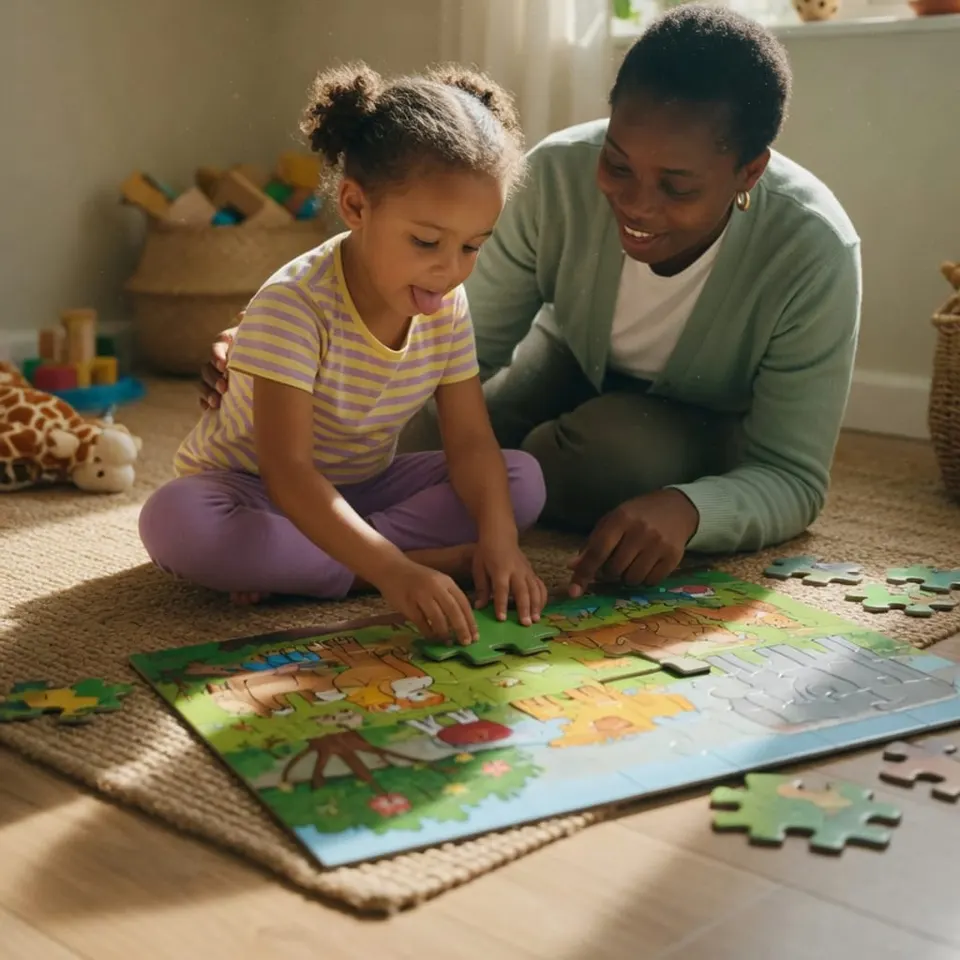
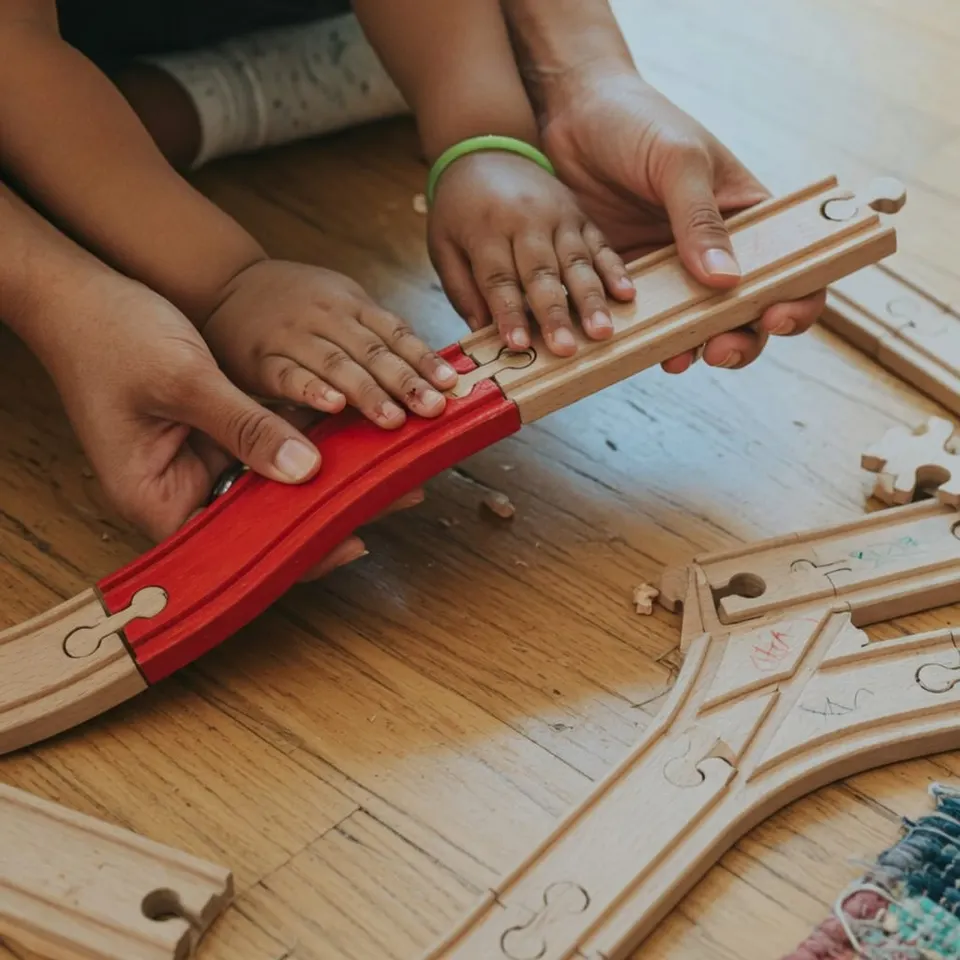
A typical play-based ABA session might look like this: The therapist arrives at your home or clinic play area. They observe what the child is interested in that day, perhaps a train set or a puzzle. The therapist joins the child on the floor, narrating the play and modeling language. When the child reaches for a piece, the therapist pauses and waits for a verbal or gestural request, then hands it over, reinforcing the communication. Over time, the therapist shapes more complex language and social behaviors, all within the context of play.
Sessions are led by a Board Certified Behavior Analyst (BCBA) who designs the treatment plan, while a registered behavior technician (RBT) often delivers the direct therapy. The BCBA monitors progress and adjusts strategies regularly.
Skills Taught Through Play-Based ABA
- Communication: Requesting, commenting, asking questions, using words or AAC devices.
- Social skills: Turn-taking, sharing, joint attention, imitation, and initiating interactions.
- Play skills: Expanding play repertoires, engaging in pretend play, and playing with peers.
- Daily living skills: Following routines, cleaning up, and self-help tasks embedded in play.
- Emotional regulation: Coping with frustration, waiting, and transitioning between activities.
Costs and Insurance Coverage for Play-Based ABA
ABA therapy, including play-based approaches, is widely covered by insurance plans, including Medicaid. Many states mandate coverage for autism treatment, and the Affordable Care Act requires many plans to cover ABA. Costs vary depending on your insurance, location, and the number of hours prescribed. Typically, families pay copays or coinsurance, but many providers offer free evaluations to determine coverage. Our free service helps you find vetted, BCBA-led providers who accept your insurance, including Medicaid, so you can focus on what matters most.
How to Find a Play-Based ABA Provider
Finding a provider that offers play-based ABA can feel overwhelming, but you don't have to do it alone. Our free matching service connects you with vetted, BCBA-led ABA providers in your area who use evidence-based, naturalistic approaches. Simply tell us a bit about your child and your insurance, and we'll help you find options that fit. We do not charge families for this service, and we only work with providers who meet our quality standards.
Common Mistakes to Avoid with Play-Based ABA
- Assuming all play is therapy: Effective play-based ABA is intentional. A BCBA designs specific goals and measures progress, not just unstructured play.
- Ignoring the child's interests: The approach works best when the child's genuine interests guide the session. Forcing a toy or activity can reduce motivation.
- Not involving parents: Parent training is a key component. You can reinforce skills at home during everyday play.
- Expecting instant results: Like all therapy, progress takes time. Consistent, quality sessions lead to meaningful change.
Getting Started with Play-Based ABA
If you think play-based ABA might be a good fit for your child, the first step is a free consultation with a BCBA. They will assess your child's strengths and needs and recommend a treatment plan. Our service can help you find that provider quickly and easily. We are here to support you in navigating the process, from understanding insurance to scheduling the first session. Play-based ABA can open up a world of learning through the power of play, and we're here to help you find the right path.