Combining ABA with Speech and Occupational Therapy: What Families Need to Know
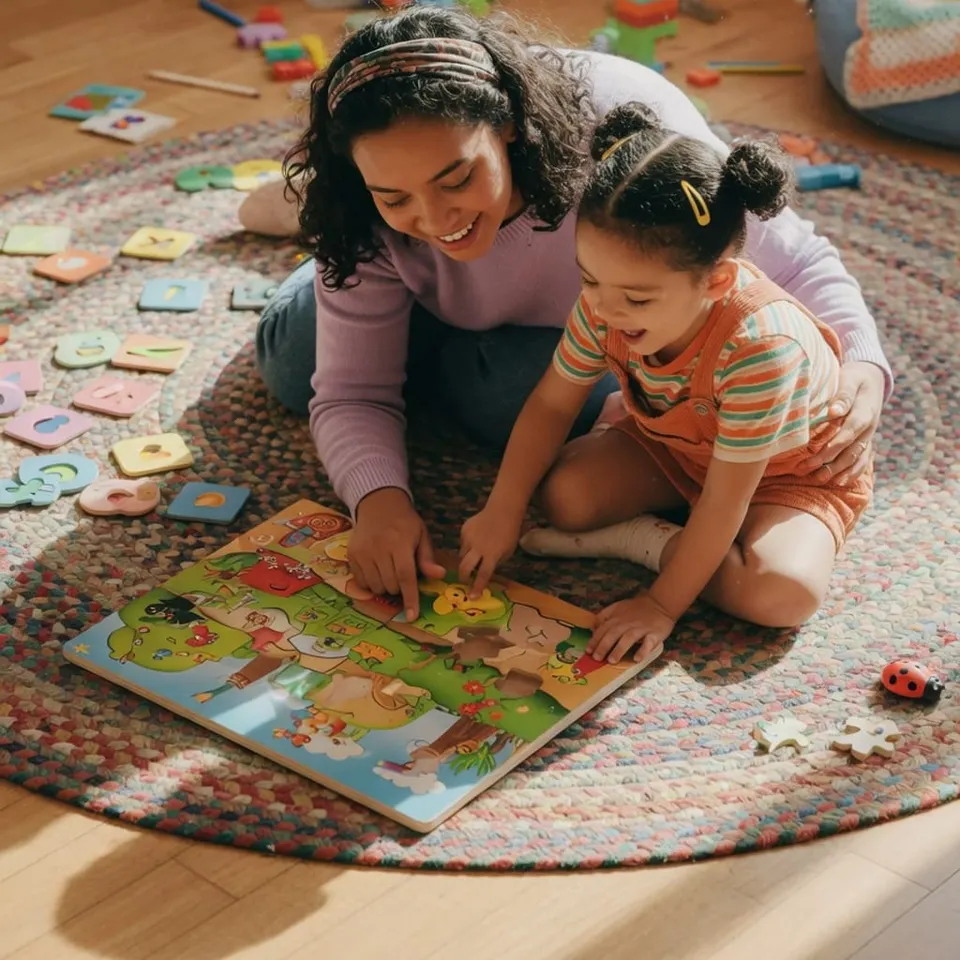
In short: Combining ABA therapy with speech and occupational therapy can create a more holistic support plan for autistic children. These therapies work together to address communication, daily living skills, and behavior in a coordinated way. Many insurance plans, including Medicaid, cover these services, and a free matching service like Get Started with ABA can help families find vetted providers.
Key takeaways
- Combining ABA with speech and occupational therapy addresses communication, motor skills, and behavior in a unified plan.
- Coordination between therapists is key to avoid conflicting goals and maximize progress.
- Most insurance plans, including Medicaid, cover ABA, speech, and occupational therapy for autism.
- A free matching service can help families find BCBA-led ABA providers who collaborate with other therapists.
What Does It Mean to Combine ABA with Speech and Occupational Therapy?
For many autistic children, a single therapy may not address all their needs. ABA (Applied Behavior Analysis) focuses on understanding and improving behavior, communication, and social skills. Speech therapy targets language, articulation, and social communication. Occupational therapy (OT) helps with daily living skills, sensory processing, and fine motor abilities. Combining these therapies means creating a coordinated plan where each therapist works toward shared goals, often with regular communication and joint sessions.
This integrated approach can lead to more consistent progress because skills learned in one therapy are reinforced in another. For example, an ABA therapist might work on requesting a toy, while the speech therapist practices the specific words, and the OT helps with the motor skills to reach and grasp. When therapies are combined thoughtfully, children can generalize skills across settings more easily.

🔗 Related reading: Autism Support Groups for California Parents · Local ABA Therapy
Why Combine ABA with Speech and Occupational Therapy?
Holistic Development
Autistic children often have overlapping challenges. A child who struggles with sensory overload may have meltdowns during speech therapy. An ABA therapist can help identify triggers and teach coping strategies, while the OT provides sensory regulation techniques. Together, they create a supportive environment for learning.
Reinforcing Skills Across Settings
When therapists communicate, they can use consistent language and strategies. For instance, if the speech therapist is teaching the child to use a picture exchange system, the ABA therapist can practice that same system during play. This repetition helps the child learn faster and reduces confusion.
Efficient Use of Time and Resources
Combining therapies can reduce the number of separate appointments, which is helpful for busy families. Some clinics offer multidisciplinary teams where ABA, speech, and OT providers work under one roof, making coordination easier. Even if therapists are in different locations, regular meetings or shared notes can keep everyone aligned.
How to Coordinate ABA, Speech, and Occupational Therapy
Start with a Team Meeting
Before beginning combined therapy, schedule a meeting with all providers (with your permission). Discuss your child's strengths, challenges, and priorities. Create a shared list of goals, such as improving eye contact, using two-word phrases, or dressing independently. Each therapist can then focus on their area while supporting the others' goals.
Use a Shared Communication Log
A simple notebook or digital document where therapists note what they worked on and any observations can be invaluable. This helps avoid duplication and ensures everyone knows what strategies are working. You can also share this with your child's school team if applicable.
Consider Joint Sessions
Some providers offer co-treatments where two therapists work with the child at the same time. For example, an ABA therapist and speech therapist might run a social skills group together. Joint sessions can be especially effective for children who have difficulty transitioning between different therapists.

🔗 Related reading: ABA Interventions for Head Banging in Autism · Local ABA Therapy
What to Expect from Combined Therapy
Initial Assessment
Each therapist will conduct their own evaluation, but they should share results with the team. The ABA provider will likely do a functional behavior assessment, the speech therapist will assess language and communication, and the OT will evaluate sensory and motor skills. Together, they create a comprehensive picture.
Ongoing Collaboration
Expect regular check-ins, perhaps monthly or quarterly, to review progress and adjust goals. Therapists may share data to see if a child is meeting milestones. If a child is struggling in one area, the team can brainstorm solutions.
Family Involvement
You are the most important part of the team. Therapists should train you on strategies to use at home. For example, you might learn how to use visual schedules (from ABA), practice speech sounds during meals, or do sensory activities before bedtime (from OT). Consistency across home and therapy settings boosts success.
Costs and Insurance Coverage
Insurance Basics
ABA therapy is often covered by insurance, including Medicaid, for autism diagnoses. Speech and occupational therapy are also commonly covered. However, coverage varies by plan. Some plans require prior authorization, have session limits, or only cover certain providers. Always check with your insurance company before starting.
Medicaid and State Programs
Many state Medicaid programs cover ABA, speech, and OT for children with autism. Some states have early intervention programs (like Birth to Three) that provide these therapies at low or no cost. If you have private insurance, your plan may also cover these services, but you may need a referral from your pediatrician.
Using a Free Matching Service
Navigating insurance and finding providers who offer combined therapy can be overwhelming. That's where a free service like Get Started with ABA can help. They match families with vetted, BCBA-led ABA providers who often have connections with speech and occupational therapists. You can specify that you're looking for a team that coordinates care, and they'll help you find options in your area.

Practical Tips for Success
- Communicate openly with all therapists. Share what works at home and what challenges you see.
- Set realistic goals. Progress may be slow, but small steps add up. Celebrate every achievement.
- Be consistent. Use the same language and routines across therapy and home.
- Advocate for your child. If you feel therapies aren't aligning, speak up. You are the expert on your child.
- Look for providers who value collaboration. Ask potential ABA providers how they work with other therapists.
Common Mistakes to Avoid
Assuming Therapies Will Automatically Align
Without intentional coordination, therapists may work toward conflicting goals. For example, an ABA therapist might reward a child for staying seated, while the OT encourages movement for sensory regulation. Regular communication prevents this.
Overloading the Child's Schedule
Too many therapy hours can lead to burnout. Balance is key. Quality over quantity matters. A well-coordinated plan with fewer hours may be more effective than a packed schedule.
Ignoring the Child's Preferences
Therapies should be engaging and child-led when possible. If a child resists a certain activity, the team should adapt. Forced compliance can backfire.
Finding the Right Providers
When searching for ABA providers, ask about their experience with multidisciplinary care. Do they have speech or OT providers on staff? Do they regularly communicate with outside therapists? A BCBA-led team that values collaboration can make all the difference. Get Started with ABA can help you find such providers in your area, free of charge. They vet providers to ensure they are qualified and can meet your family's needs.
Remember, you don't have to do this alone. With the right team and a coordinated approach, combining ABA with speech and occupational therapy can help your child thrive.