Child Lining Up Toys? Understanding the Behavior and When to Seek Help

In short: Lining up toys is common in typical toddler development, but when combined with other signs like delayed speech or lack of eye contact, it may indicate autism. The behavior itself isn't inherently worrisome; context and accompanying symptoms matter. If concerned, a free evaluation and matching with a BCBA-led provider can help.
Key takeaways
- Lining up toys is a common repetitive behavior in both typical and autistic children.
- Context matters: look for other developmental milestones and social communication skills.
- Early intervention, including ABA therapy, can significantly improve outcomes.
- Get Started with ABA offers free matching to vetted, BCBA-led providers.
What Does It Mean When a Child Lines Up Toys?
Seeing your child carefully arrange toy cars, blocks, or dolls in a straight line can be puzzling. For many parents, this behavior sparks questions about development and autism. Lining up toys is a form of repetitive or stereotyped play that is common in early childhood. It often reflects a child's natural drive to create order, explore patterns, and practice fine motor skills. In typical development, children may line up objects as part of imaginative play or simply because they find the activity calming. The key is to observe the broader context: how often does it happen, does the child engage in other forms of play, and are there any delays in social or communication skills?
Repetitive behaviors like lining up toys are also a core feature of autism spectrum disorder (ASD). However, not every child who lines up toys has autism. The behavior becomes more concerning when it is exclusive, intense, and interferes with other types of play or social interaction. Understanding the difference between typical and atypical repetitive play can help you decide whether to seek an evaluation.

🔗 Related reading: ABA Therapy Prior Authorization: Why It Takes Months & What to Do · Local ABA Therapy
Is Lining Up Toys a Sign of Autism?
Lining up toys is one of several repetitive behaviors associated with autism, but it is not a standalone diagnostic criterion. The American Academy of Pediatrics and the DSM-5 include restricted, repetitive patterns of behavior as a key domain for autism diagnosis. These patterns can include lining up objects, spinning wheels, or flipping switches. However, the diagnosis requires that these behaviors cause significant impairment in social, occupational, or other areas of functioning.
Many neurotypical toddlers also line up toys during the sensorimotor stage of development (roughly 18 months to 3 years). They may enjoy sorting, stacking, or arranging objects as they learn about spatial relationships. The difference often lies in the flexibility and purpose of the play. A child with autism may become distressed if the order is disrupted, may spend long periods exclusively lining up objects, and may not engage in pretend play or social games. If your child lines up toys but also smiles at you, points to share interest, and uses words or gestures to communicate, it is less likely to be a red flag.
Other Repetitive Behaviors to Watch For
Alongside lining up toys, parents might notice other repetitive movements or routines. These can include hand-flapping, rocking, spinning, or repeating certain phrases (echolalia). A child with autism may insist on sameness in daily routines, such as eating the same foods or taking the same route to the store. The presence of multiple repetitive behaviors, especially when paired with social communication challenges, increases the likelihood of autism.
Typical Development vs. Autism: Key Differences
Understanding the developmental timeline can help. Most children begin to show interest in ordering and sorting objects around 18 to 24 months. This is a normal part of cognitive growth. By age 3, many children incorporate lining up into pretend play-for example, lining up toy animals before a zoo visit. In contrast, a child with autism might line up objects for long periods without any narrative or social engagement.
Here are some contrasting signs:
- Typical: Lines up toys occasionally, can be redirected to other activities, uses the behavior as part of imaginative play, and maintains eye contact and social interaction.
- Autism-related: Lines up toys for extended periods, becomes upset if the order is changed, shows little interest in other toys or people, and may have delayed speech or limited gestures.
It is important to remember that every child develops at their own pace. A single behavior like lining up toys is rarely enough to diagnose autism. Instead, look for a pattern of differences in social communication, such as not responding to their name, avoiding eye contact, or not showing objects to others.

🔗 Related reading: ABA vs Speech Therapy First for a 3 Year Old: Parent Guide · Nearby ABA Therapy
When Should Parents Be Concerned?
You should consider seeking a professional evaluation if your child's lining up of toys is accompanied by any of the following:
- No babbling or pointing by 12 months
- No single words by 16 months
- No two-word phrases by 24 months
- Loss of language or social skills at any age
- Lack of pretend play or imitation
- Strong resistance to changes in routine
- Unusual reactions to sensory input (e.g., covering ears, smelling objects)
Trust your parental intuition. If you feel something is off, it is always better to talk to your pediatrician or request a developmental screening. Early identification leads to earlier intervention, which can dramatically improve outcomes.
What to Do If You're Worried: Steps to Take
If you are concerned about your child's repetitive play, here are practical steps:
1. Document the Behavior
Keep a simple log: how often does your child line up toys, for how long, and what happens if you try to join or change the activity? Note any other repetitive behaviors and your child's communication skills. This information is valuable for healthcare providers.
2. Talk to Your Pediatrician
Your child's doctor can perform a developmental screening using tools like the M-CHAT (Modified Checklist for Autism in Toddlers). They can also rule out other conditions such as hearing loss or intellectual disability. If the screening indicates risk, they will refer you to a specialist for a comprehensive evaluation.
3. Seek a Formal Evaluation
A developmental-behavioral pediatrician, child psychologist, or a BCBA (Board Certified Behavior Analyst) can conduct a thorough assessment. Early intervention services are often available through your state's early intervention program or school district, regardless of a formal diagnosis.
4. Explore ABA Therapy
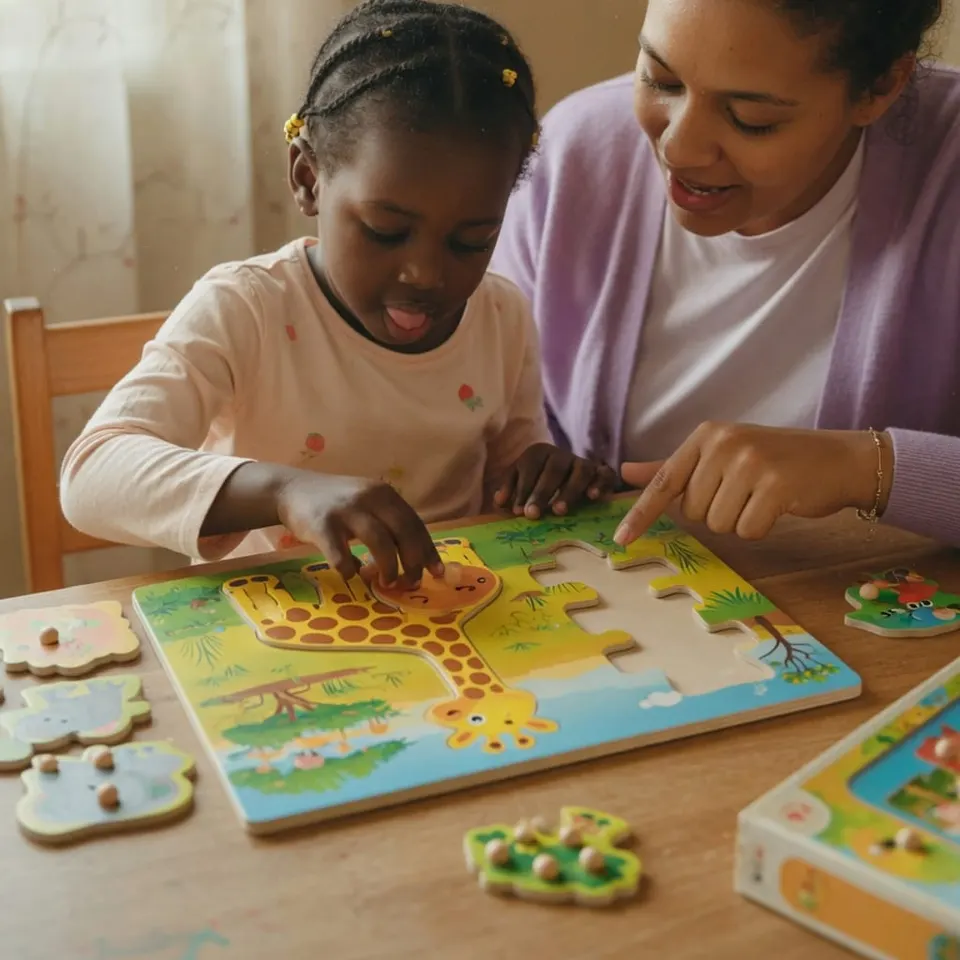
Applied Behavior Analysis (ABA) is an evidence-based therapy that helps children with autism build communication, social, and adaptive skills while reducing challenging behaviors. ABA is not about stopping children from lining up toys; it uses that interest to teach new skills. For example, a therapist might use a child's love of lining up cars to practice requesting, turn-taking, or expanding play themes.
How ABA Therapy Can Help with Repetitive Behaviors
ABA therapy is individualized and data-driven. A BCBA will assess your child's strengths and challenges, then design a program that encourages flexible play and social engagement. For a child who lines up toys excessively, the goals might include:
- Increasing the variety of play activities
- Teaching functional communication (e.g., requesting a toy, commenting)
- Building joint attention (sharing focus on an object with another person)
- Reducing rigid adherence to routines through gradual desensitization
ABA does not aim to eliminate repetitive behaviors entirely, especially if they are self-soothing. Instead, it helps the child learn when and where the behavior is appropriate and expands their repertoire of skills. Many families see significant progress in social interaction and daily living skills within months of starting ABA.
The Role of Early Intervention and Insurance Coverage
Early intervention is critical. Research shows that starting therapy before age 3 can lead to the best outcomes. Many states offer free or low-cost early intervention services for children under 3 who have developmental delays. For children over 3, the public school system may provide special education services.
ABA therapy is widely covered by private insurance and state Medicaid programs. The Affordable Care Act requires many plans to cover autism-related services, including ABA. However, coverage details vary. At Get Started with ABA, we help families navigate insurance and find providers who accept their plan. Our service is completely free-we simply match you with vetted, BCBA-led providers in your area.
Getting Started: Free Matching with Qualified Providers
If you are concerned about your child's development, you do not have to figure it out alone. Get Started with ABA connects families with experienced BCBA-led providers who specialize in early intervention. We work with clinics across the country that accept a wide range of insurance plans, including Medicaid. The process is simple: fill out a short form, and we will match you with providers who fit your child's needs and your family's schedule. There is no cost to you-our mission is to make quality ABA therapy accessible to every family that needs it.
Remember, lining up toys is not inherently a cause for alarm. But if you have noticed other developmental differences, trust your instincts. Early evaluation and intervention can make a world of difference. Reach out today to get started on a path that supports your child's unique strengths and helps them thrive.