Is 6 Months of ABA Therapy Enough? What Families Should Know

In short: Six months of ABA therapy can produce noticeable gains in communication, social skills, and behavior reduction, but it is rarely enough to achieve all long-term goals. The timeline depends on the child's age, needs, therapy intensity, and consistency. Most children benefit from ongoing support, and insurance often covers ABA in 6-month authorization cycles, allowing for reassessment and continuation.
Key takeaways
- Six months of ABA can yield significant early progress, especially in foundational skills like communication and following instructions.
- The amount of therapy (hours per week) and consistency at home greatly influence what can be achieved in 6 months.
- Insurance typically authorizes ABA in 6-month blocks, with reassessments to determine continued need.
- ABA is not a 'quick fix' but a skill-building process; many children benefit from therapy lasting 1-3 years or more.
Understanding the 6-Month Timeline in ABA Therapy
When families begin ABA therapy, one of the first questions is often, 'How long will this take?' While every child's journey is unique, a 6-month period is a common initial authorization window from insurance providers. This timeframe can feel both hopeful and uncertain. It is important to understand that ABA therapy is not a one-size-fits-all program with a fixed endpoint. Instead, it is a data-driven process where goals are continuously assessed and adjusted.
Six months can be enough time to establish a strong foundation. Many children show measurable improvements in areas like requesting items, following simple instructions, reducing challenging behaviors, and engaging in play with peers. However, the depth and breadth of progress depend on several factors, including the child's age, the intensity of therapy (often measured in hours per week), the consistency of implementation across settings, and the specific goals being targeted.

🔗 Related reading: When Play Looks Different: How ABA Can Help · Local ABA Therapy
What Realistic Progress Looks Like in 6 Months
Early Gains: Communication and Foundational Skills
In the first few months, the focus is often on building rapport, establishing a reinforcement system, and teaching basic communication. For a child who is non-verbal or has limited speech, this might mean learning to use a picture exchange system (PECS) or a speech-generating device to request a preferred toy or snack. For a child with emerging language, it could involve increasing the number of words or phrases used spontaneously.
By the 6-month mark, many children can:
- Independently request preferred items or activities.
- Follow simple one-step instructions (e.g., 'come here,' 'sit down').
- Engage in brief turn-taking during play.
- Reduce the frequency or intensity of tantrums or self-injurious behaviors.
Social and Play Skills
Social skills often take longer to develop, but 6 months can yield noticeable progress. A child might begin to initiate interactions with peers, share a toy, or participate in parallel play. These early social milestones are critical building blocks for more complex interactions later.
Reduction of Challenging Behaviors
One of the most common reasons families seek ABA is to address challenging behaviors like aggression, elopement, or self-stimulatory actions. In 6 months, a well-designed behavior intervention plan can significantly reduce these behaviors, especially when parents and caregivers are trained to implement strategies consistently. However, complete elimination is rare, and ongoing support is often needed to maintain gains.
Factors That Influence Progress in 6 Months
Therapy Intensity and Hours
ABA therapy is most effective when delivered at a sufficient intensity. The recommended number of hours varies widely, from 10 to 40 hours per week, depending on the child's needs. A child receiving 30 hours per week will likely progress faster than one receiving 10 hours, but quality and consistency matter more than sheer quantity. A free matching service like Get Started with ABA can help families find a provider that offers the right intensity for their child's unique situation.
Parent and Caregiver Involvement
ABA is most powerful when strategies are used throughout the day, not just during therapy sessions. Parents who actively participate in training sessions and implement techniques at home and in the community see faster and more durable results. Many providers offer parent coaching as part of the program.
Age and Developmental Stage
Younger children (under 5) often show rapid gains because their brains are highly plastic. However, older children and teenagers can also make meaningful progress, especially in areas like self-advocacy, executive functioning, and social skills. The 6-month timeline may look different for a toddler versus a teenager.
Consistency Across Environments
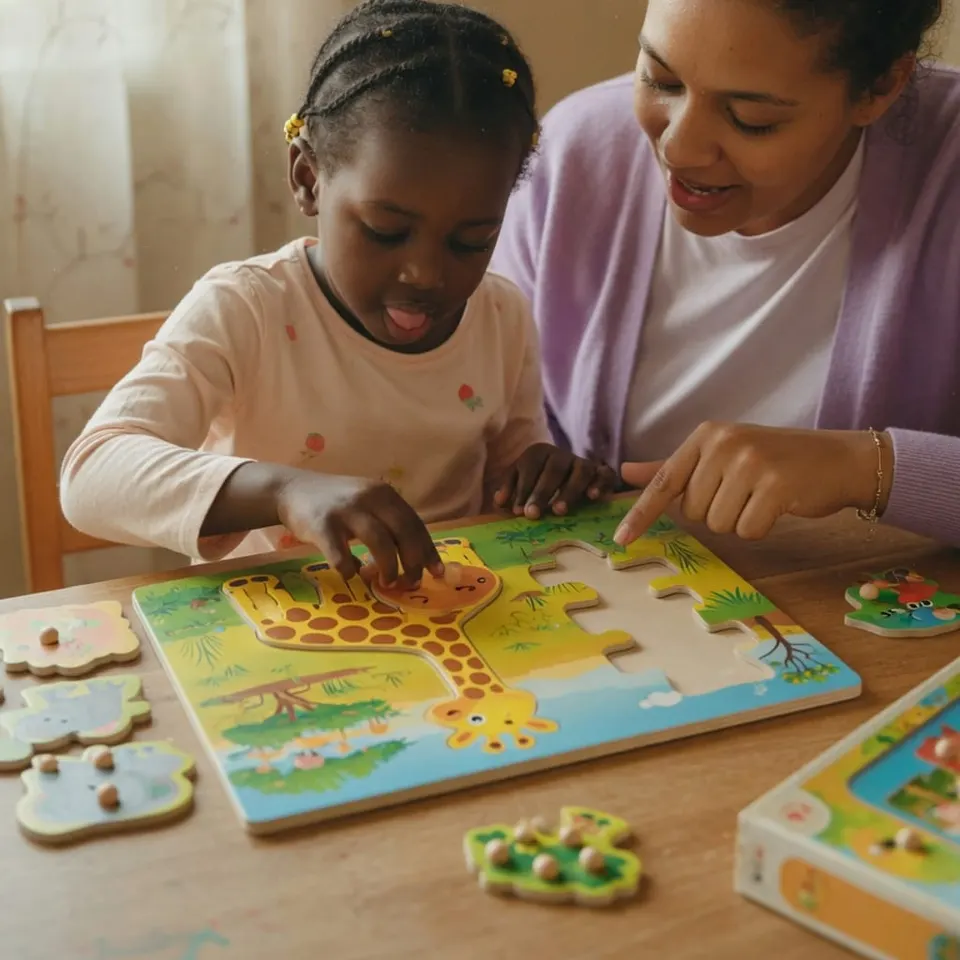
Progress is best when ABA strategies are used consistently at home, school, and in the community. Collaboration between the ABA team, teachers, and other therapists (like speech or occupational therapy) can amplify results.
🔗 Related reading: NC Medicaid ABA Therapy Provider List - Your Guide · Nearby ABA Therapy
Insurance and the 6-Month Authorization Cycle
Most insurance plans, including Medicaid, cover ABA therapy under the mental health or autism benefit. A typical authorization is for 6 months, after which the provider must submit a reassessment and progress report to justify continued coverage. This means that 6 months is often just the first step in a longer journey.
During the reassessment, the BCBA will review data, update goals, and recommend the next authorization period. If significant progress has been made, hours may be reduced. If more work is needed, hours may stay the same or increase. Families should not feel pressured to 'finish' therapy in 6 months; the goal is steady, meaningful progress.
Get Started with ABA is a free service that can help families navigate insurance and find a vetted, BCBA-led provider that accepts their plan, including Medicaid.
How to Maximize the First 6 Months of ABA
Set Clear, Measurable Goals
Work with the BCBA to prioritize 3-5 key goals for the first 6 months. These should be specific, observable, and meaningful to your family's daily life. For example, 'John will independently request a drink using his AAC device in 4 out of 5 opportunities' is a clear goal.
Build a Strong Partnership with the Provider
Communication is key. Attend parent training sessions, ask questions, and share what works at home. A collaborative relationship between the family and the BCBA leads to better outcomes.
Practice Skills in Natural Settings
ABA is not just for the clinic. Practice requesting at the grocery store, waiting at the doctor's office, or playing with siblings. Generalization is a critical part of lasting progress.
Track Progress and Celebrate Small Wins
Keep a journal or use a simple chart to note improvements, no matter how small. Celebrating milestones keeps motivation high for both the child and the family.
Common Mistakes to Avoid in the First 6 Months
- Expecting a 'Cure': ABA is not a cure for autism; it is a tool to build skills and reduce barriers. Progress is gradual.
- Comparing to Other Children: Every child's path is different. Focus on your child's individual growth, not someone else's timeline.
- Skipping Parent Training: Without consistent implementation at home, progress may stall. Make parent training a priority.
- Ignoring Burnout: Intensive therapy can be exhausting for the whole family. Build in breaks and self-care.
- Not Advocating for Adjustments: If something isn't working, speak up. The BCBA can modify the plan to better fit your child's needs.
When 6 Months Might Be Enough (and When It Isn't)
For some children, 6 months of focused ABA can be sufficient to address specific, time-limited goals. For example, a child who needs help with potty training or reducing a single challenging behavior might achieve that goal and then transition to a less intensive support model. However, for most children with autism, ABA is a longer-term investment. Many families continue therapy for 1-3 years or more, with gradual reductions in hours as skills become more independent.
The decision to continue or reduce therapy should be based on data, not a calendar. A good BCBA will provide clear recommendations at each reassessment point.
Final Thoughts: Making the Most of Your 6-Month Journey
Six months of ABA therapy can be a powerful start. It is enough time to build trust, teach foundational skills, and reduce challenging behaviors. But it is rarely the finish line. Think of it as the first chapter in a longer story of growth and learning. By staying engaged, communicating openly with your provider, and celebrating every step forward, you can make those 6 months count.
If you are ready to begin or continue your ABA journey, Get Started with ABA is a free service that matches families with vetted, BCBA-led providers in your area. We help you navigate insurance, including Medicaid, so you can focus on what matters most: your child's progress.